
Gantry vs Horizontal Machining Center: Machining Large Workpieces
How gantry and horizontal machining centers differ when machining large workpieces, covering size and weight, spindle orientation, chip evacuation, accuracy, throughput and the applications each suits.
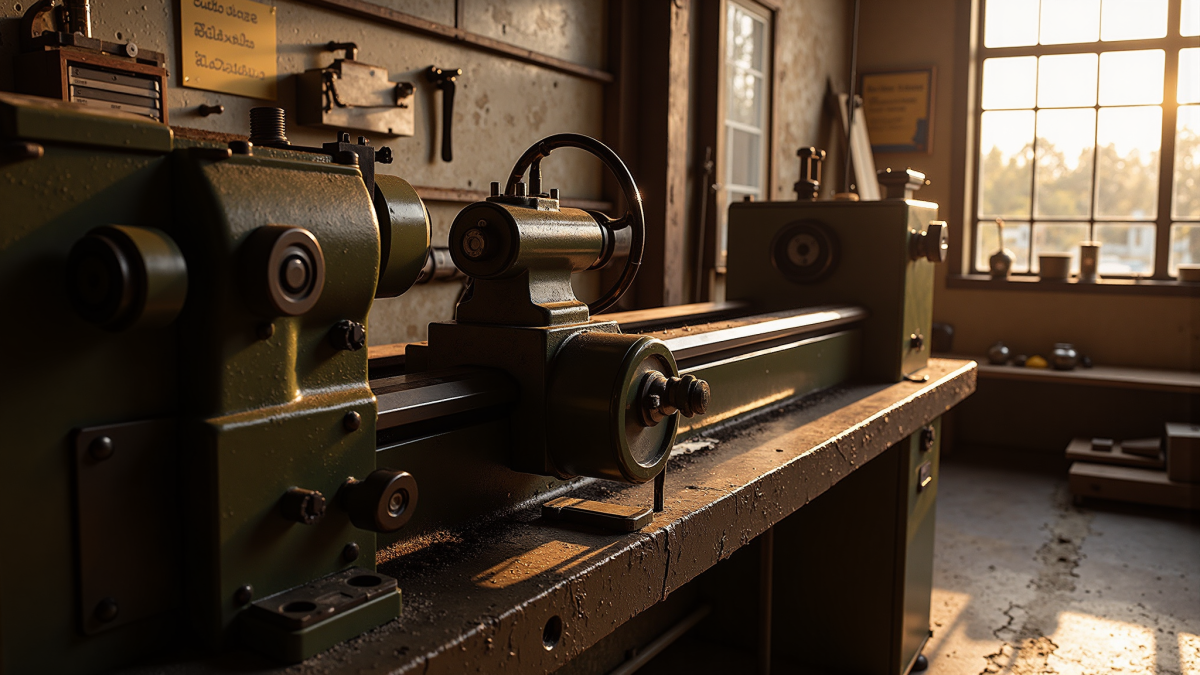
When a workpiece grows beyond the comfortable envelope of a vertical machining center, the choice usually narrows to a gantry machine or a horizontal machining center (HMC). Both can remove large volumes of metal, but they solve the problem in different ways, and the right answer depends on part size, weight, geometry and the production rhythm you need. The comparisons below are general industry references for selection work, and the final configuration and quotation should be confirmed against a specific enquiry.
Workpiece Size and Weight
The gantry machine wins on sheer envelope. Because the structure straddles the work rather than standing beside it, the table can be long and wide, and very heavy parts can be supported on a fixed bed. This suits large plates, frames, moulds and fabricated structures that would be difficult or impossible to lift onto a vertical table.
The HMC takes a different route. It uses a horizontal spindle and a rotary table, so the part is presented to the tool from one side and indexed between faces. The envelope is smaller than a gantry but larger than typical verticals, and the rotary table makes multi-face work efficient. For heavy parts within its range, the HMC is compact and well enclosed.
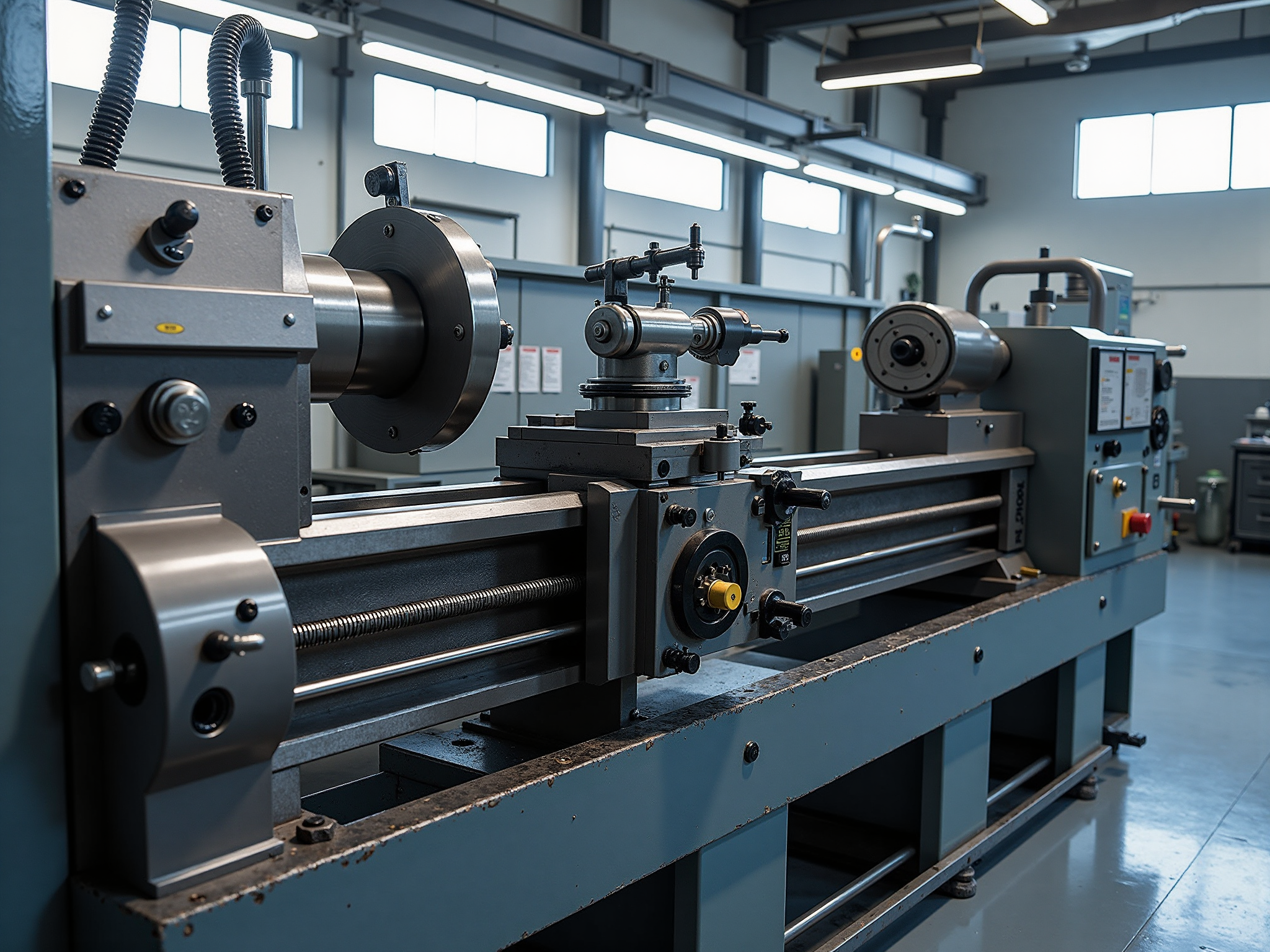
Spindle Orientation and Chip Evacuation
Spindle orientation drives the whole machine layout. A gantry machine usually has a vertical spindle travelling on a bridge, which is familiar to operators and well suited to face milling large flat surfaces and machining deep pockets from above. The open front makes large parts easy to load by crane.
An HMC has a horizontal spindle, so gravity helps clear chips away from the cutting zone. That improves tool life and surface finish in deep pockets and on parts that produce heavy swarf. The trade-off is that the part is often less visible, which is why HMCs rely heavily on enclosure, coolant management and probing.
Accuracy and Thermal Behaviour
Both machine types can be built to high accuracy, but they behave differently over a long day. A large gantry structure spans a long distance, so thermal growth and structural deflection across that span are the main challenges. Designers counter this with temperature control, symmetric structures and compensation.
The HMC has a shorter structural loop and a rotary table that can be built rigidly, which helps repeatability on multi-face work. Because the part is indexed rather than re-clamped, positional relationships between faces stay consistent, which matters when faces must align.

Throughput and Automation
For repeat work on mid-sized parts with features on several faces, the HMC is often the throughput leader. The rotary table removes re-clamping, and pallet changers let the machine keep cutting while parts are loaded and unloaded, which supports unattended running.
The gantry machine tends to be chosen for large, low-to-medium volume work where part handling dominates the cycle. Where volume justifies it, gantries can also be automated with pallet systems, but the physical scale makes automation a larger project.
Typical Application Map
| Consideration | Gantry MC | Horizontal MC |
|---|---|---|
| Part envelope | Very large, long plates and frames | Mid to large, multi-face parts |
| Part weight | Very heavy, crane loaded | Heavy, tooling or pallet loaded |
| Chip evacuation | Adequate, gravity assisted by design | Excellent, gravity assisted |
| Multi-face work | Repositioning required | Rotary table indexes the part |
| Automation | Possible, larger scale | Pallet changers, unattended running |
| Typical work | Moulds, frames, large plates | Housings, manifolds, multi-face batches |
Choosing Between the Two
- If the part will not fit or cannot be handled on a smaller machine, the gantry is the natural route.
- If the part has features on several faces and repeat volume, the HMC rotary table saves re-clamping.
- If chip evacuation and deep pockets dominate, the horizontal spindle has the advantage.
- If the part is enormous and produced in small numbers, the gantry table and open loading win.
- If unattended running is the goal, the HMC pallet changer is easier to justify.
In practice the decision usually follows the part rather than the machine: size and weight push toward the gantry, while multi-face geometry and volume push toward the horizontal. Confirm the final machine size, spindle and automation package against a specific enquiry before committing, because the handling method and batch size often decide the balance.
Related Reading
How to Choose a Vertical Machining Center: 6 Factors That Decide Your Takt Time
A practical selection guide for vertical machining centers: using takt time, travel, spindle capability, tool changing, rigidity and automation to shortlist the right VMC for milling work.
Read More