Selection Criteria at a Glance
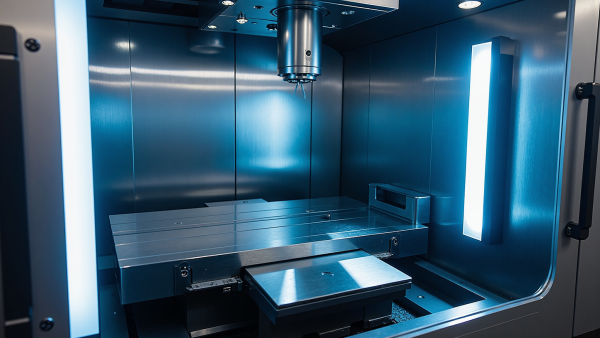
The VMC650 sits in the most widely used mid-small class of vertical machining centers, with table travels of 650×400×500 mm, making it suitable for multi-face milling, drilling and tapping, and boring of disc-type, plate-type and small-to-medium box-type parts. What actually drives line takt time and cost is not a single high parameter value but the combination of travels, tool magazine capacity, spindle speed, tool-change time and footprint.
- Travels: Define the maximum part size that can be machined in a single setup, and indirectly affect the versatility of fixtures and tooling.
- Tool magazine capacity: Affects the number of tool changes and the frequency of manual intervention for multi-operation parts, and is especially sensitive in high-mix, low-volume production.
- Spindle speed: The direct-drive 8000 rpm spindle covers both steel milling and high-speed finishing of aluminium, a common choice for general-purpose configurations.
- Tool-change time: The shorter the tool-to-tool time, the better the per-piece takt for drilling- and tapping-intensive operations.
- Footprint: The machine outline and the chip evacuation method determine how many units can be arranged per square metre of shop floor.
The two most common configuration levels are compared side by side below to help you choose according to your own machining conditions.

Side-by-Side Comparison of the Two Configuration Levels
| Item | VMC650 Standard 16-Tool | VMC650 Enhanced 24-Tool |
|---|
| Table travel (X/Y/Z) | 650 × 400 × 500 mm | 650 × 400 × 500 mm |
| Tool magazine capacity | 16 tools (umbrella type) | 24 tools (disc type) |
| Spindle speed | 8000 rpm | 8000 rpm |
| Tool-to-tool change time | Approx. 2.5 s | Approx. 1.8 s |
| Machine footprint (approx.) | 2.4 × 1.9 m | 2.6 × 2.0 m |
| Typical application | Volume parts with fewer operations | Complex parts requiring multiple operations and tools |
The two configuration levels share identical travels and spindle specifications; the differences centre on how the tool magazine is organised and on footprint. At a similar budget, tool magazine capacity is the key variable that drives operation integration.
Conclusion and Selection Recommendations
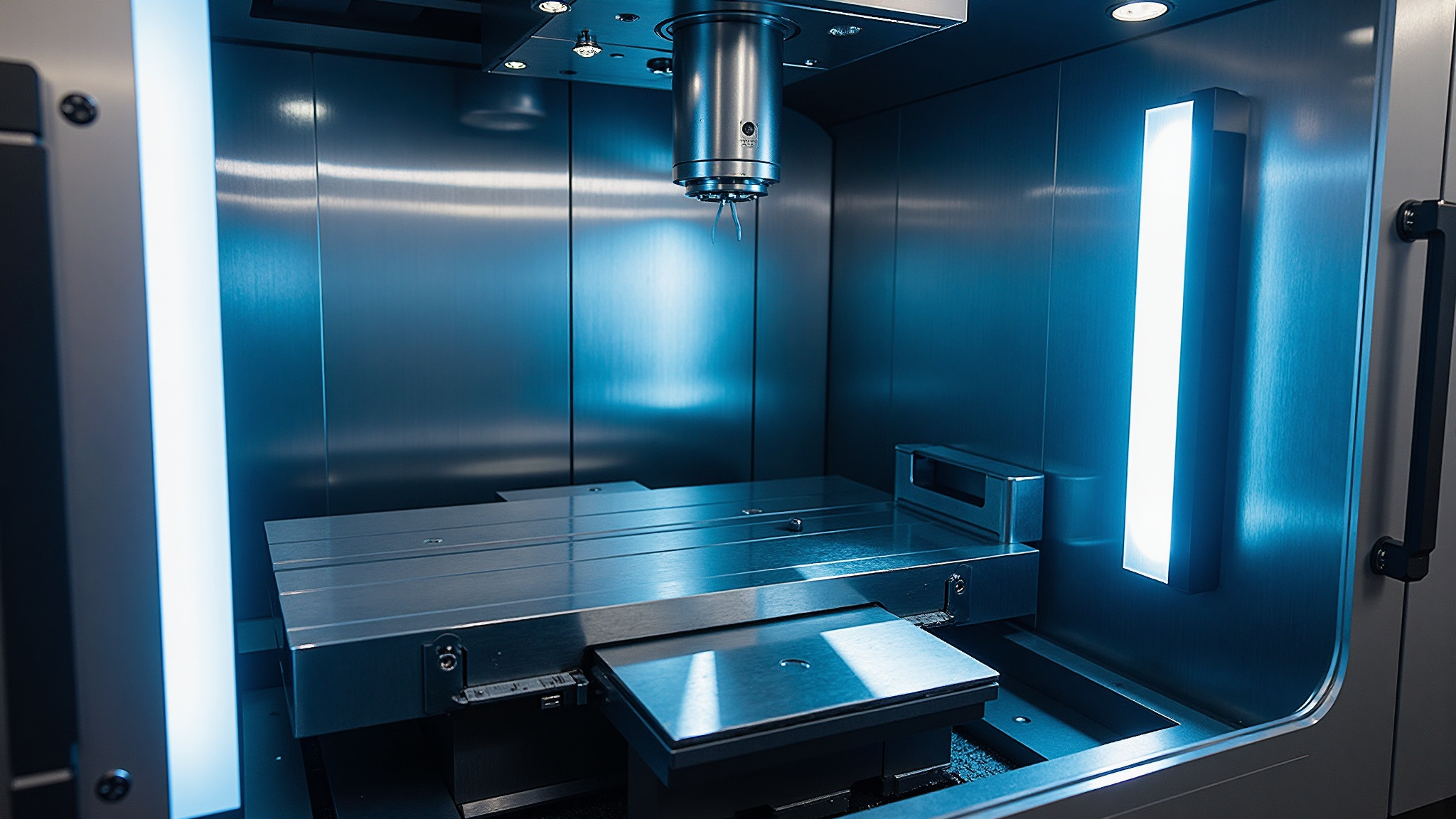
If a part's operations stay within 10 tools and consist mainly of stable volume milling, the standard 16-tool configuration offers a better return on investment, with a smaller footprint and a more flexible shop-floor layout. If a part requires drilling, tapping, milling and boring in a single setup, or if you plan to add a fourth axis later for rotary work, choose the 24-tool version and reserve the fourth-axis interface to avoid the downtime cost of a later retrofit.
Where rotary parts must also be handled, a fourth axis can be added to either magazine configuration to form the VMC650-4A. Before ordering, list the tool set and operation sequence of your typical parts so the magazine and tooling solution can be specified accordingly.