
CNC Turning vs CNC Milling: Which Process Fits Your Part
How to decide between CNC turning and CNC milling based on part geometry, tolerance, surface finish and cost, plus the hybrid turn-mill routes that combine both.
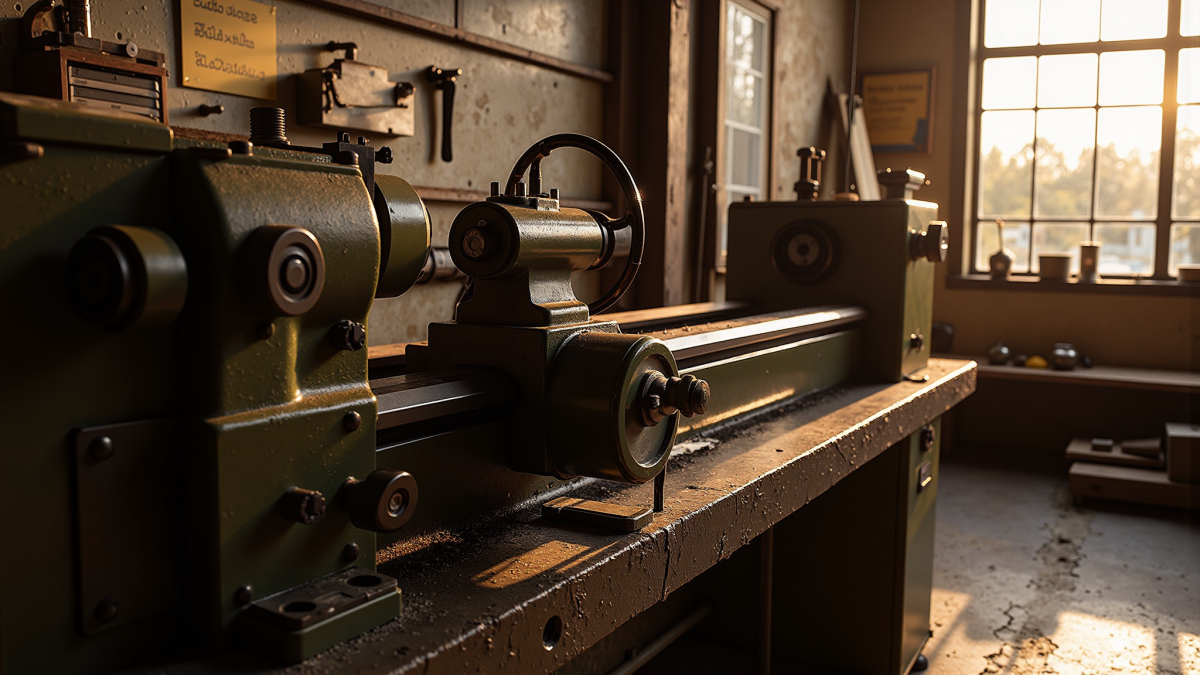
Turning and milling are the two most common subtractive processes in a machine shop, and the choice between them is driven by part geometry far more than by habit. Getting it right shortens cycle time, reduces the number of setups and keeps cost predictable. The guidance below is general industry practice for selection work; the exact process route for any part should be confirmed with the supplier before ordering.
How Each Process Removes Material
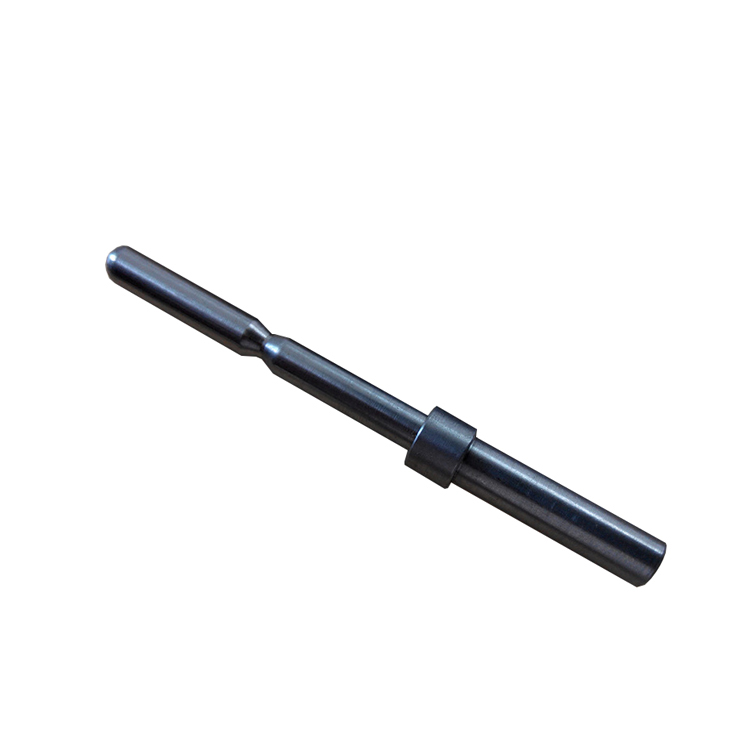
In CNC turning, the workpiece rotates and a single-point tool is fed along its axis and across its face. The motion is naturally suited to parts that are round or symmetrical about an axis - shafts, bushings, pins, threaded fasteners and discs. Because the part spins, features that wrap around the diameter are generated almost for free.
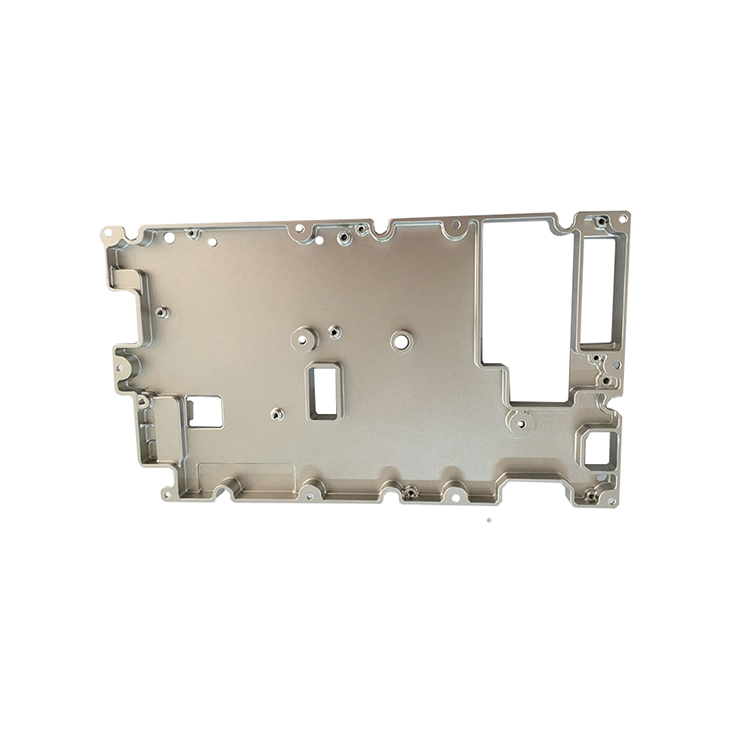
In CNC milling, the tool rotates and the workpiece is held stationary. Multi-point cutters sweep across a stationary surface, which suits prismatic parts - plates, housings, brackets, pockets, slots and contoured faces. Features are built up by moving the tool in X, Y and Z, so the shape is limited by the reach of the cutter rather than by symmetry.

Part Geometry Is the Deciding Factor
The first question is simply: is the part mostly a body of revolution? If yes, turning is usually the faster and cheaper route. If it is mostly a box or a plate with pockets and holes, milling wins. Many parts are mixed, which is where the setup count decides.
| Part character | Preferred process | Reason |
|---|---|---|
| Shaft, pin, bushing, disc | Turning | Axially symmetric, single setup |
| Plate, bracket, housing | Milling | Prismatic features on multiple faces |
| Round body with cross holes | Turn then mill | Secondary milling for radial features |
| Complex one-off housing | Milling | No need for a dedicated turning route |
Tolerance and Surface Finish
Both processes can hold tight tolerances, but they do so in different directions. Turning excels at roundness, concentricity and diameter control, because the tool is in constant contact around the axis. Milling controls flatness, squareness and positional accuracy of holes and pockets.
Surface finish follows the same logic. Turning produces a fine helical finish on diameters; milling leaves a scalloped finish whose roughness depends on stepover and tool radius. Where a sealing surface needs a specific finish, the process that generates it most directly is usually the economical answer.
Cost and Setup Efficiency
Setup count
Every additional setup adds fixturing, handling and re-datum risk. A turned part that needs only one orientation is inherently cheaper than the same part milled from three sides. Count setups first, then compare cycle times.
Material utilisation
Turning consumes round bar and leaves a relatively small chip mass for axially symmetric parts. Milling from plate can waste more material on large envelopes unless nesting is planned carefully.
Volume effects
At low volume, the process that needs the least special fixturing wins. At high volume, cycle time dominates and a dedicated turning or mill-turn route usually pays back.
Hybrid Routes: Turn-Mill and Mill-Turn
Modern machines blur the boundary. A turn-mill centre adds a milling spindle to a lathe, so a round part can be finished - flats, cross holes, slots - in the same setup. A mill-turn machine adds a rotary table to a milling platform so prismatic parts can be indexed around. These hybrid routes reduce handling and improve concentricity, at the cost of a more complex machine. They make sense when the part has both axial symmetry and off-axis features.
Decision Checklist
- Is the part mostly a body of revolution? Lean toward turning.
- Does it have pockets, slots or flats on several faces? Lean toward milling.
- How many setups does each route need? Fewer is usually cheaper.
- Which features carry the tight tolerances and finishes? Let them choose the process.
- Does volume justify a hybrid turn-mill or mill-turn machine?
Used together, these questions usually point to a clear primary process. Confirm the final route and its cost against a specific enquiry, because fixture design and batch size can shift the balance between the two.
Related Reading
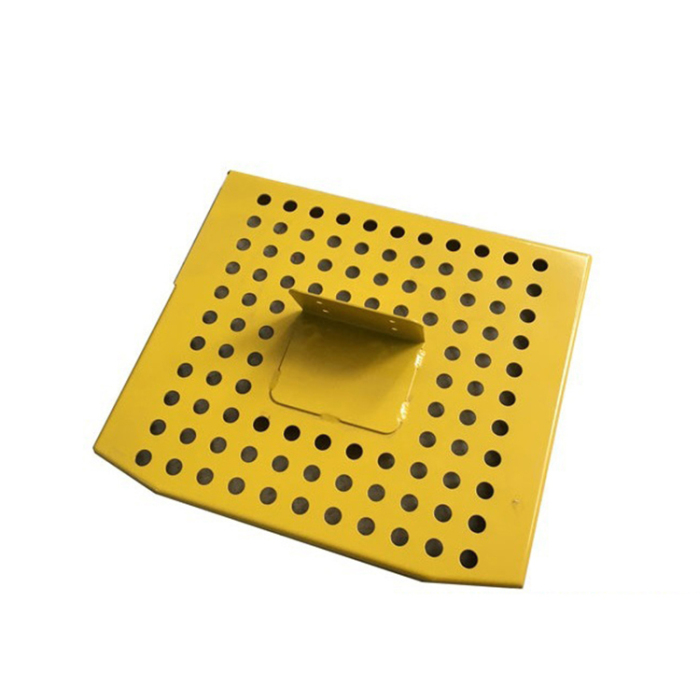
5 Design Rules That Cut the Cost of CNC Machined Parts
Five design-for-manufacture rules that reduce CNC machining cost: fewer setups, tool-friendly geometry, sensible tolerances, the right stock and finishes chosen for function.
Read More